

CircSmeltSteel - Low Carbon and circular valorisation of secondary materials in electric furnaces for proving high-quality steelmaking with excellent application-oriented product properties
Initial situation:
The steel sector is facing relevant challenges along the ongoing transformation, which are (a) variations in feedstock qualities requiring enhanced use of secondary materials to push forward zero waste concepts and, linked to this, process modifications or material substitutions, (b) effects on final product properties in micro-/macro-scale and on residue characteristics and its potential valorisation, (c) needs to reduce production costs and CO2 emissions, and to improve process/energy efficiency to achieve at least the same product quality.
Project targets:
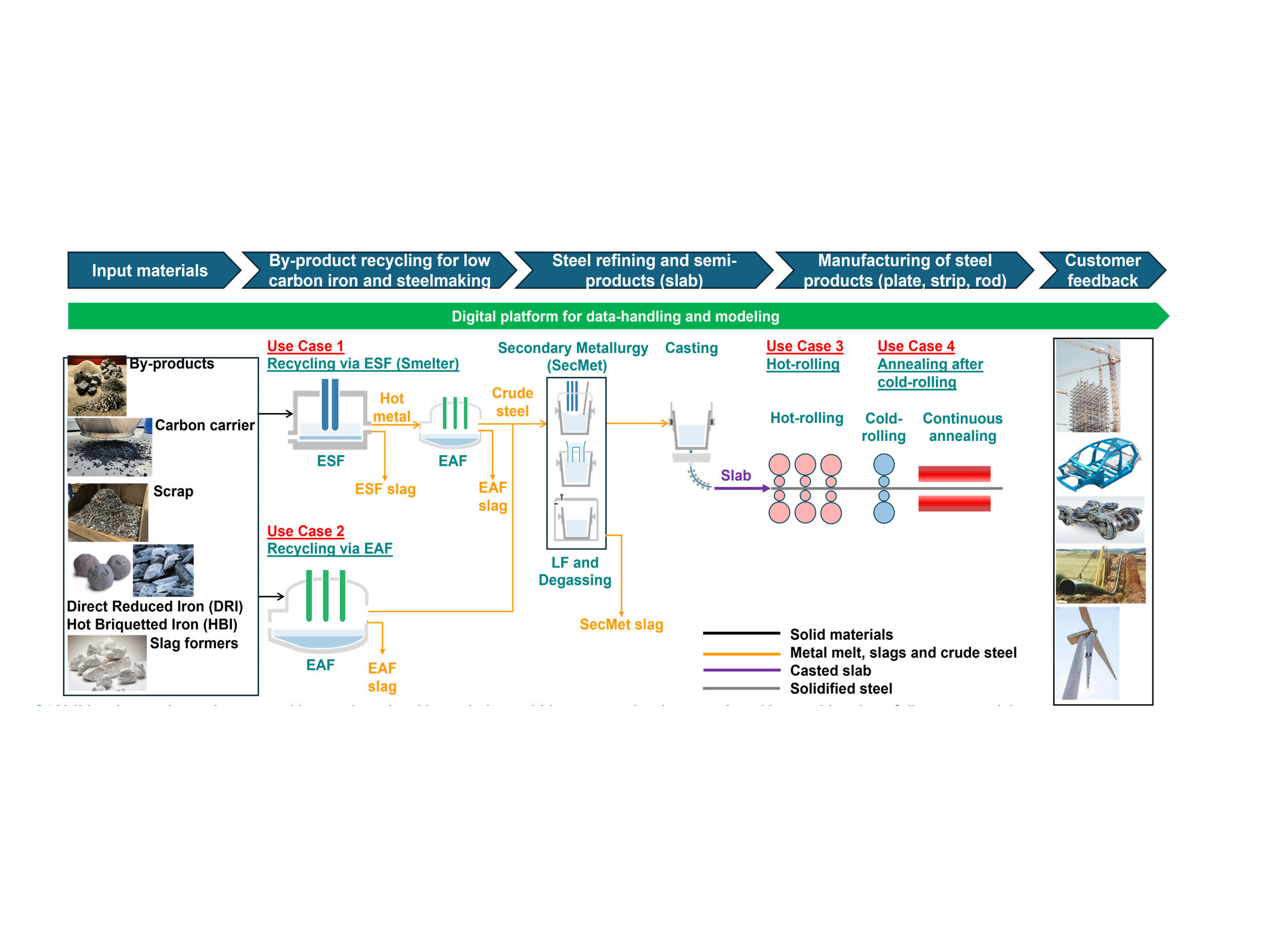
The project CircSmeltSteel validates the use of metallurgical by-products as secondary sources in low carbon iron and steelmaking and clarifies the impact of steel quality on product properties meeting EU objectives on net zero manufacturing, sustainability, and competitiveness. The entire steelmaking chain is covered with upstream and downstream processes. Two low-CO₂ routes are considered with a system-level approach using by-products as secondary feedstock: the Electric Smelting Furnace (ESF) and the Electric Arc Furnace (EAF). The steel produced will be evaluated to address the EU’s zero defects goal.
Innovative approaches:
CircSmeltSteel is in line with the EU’s zero waste goal and industrial symbiosis, as ESF/EAF slags will be qualified as raw materials for other sectors. A skills development strategy including the Industry 5.0 paradigm will foster societal readiness for using low-quality materials in existing and new low-carbon steelmaking technologies. All data and models derived are integrated into a digital platform serving as an excellent data management strategy for R&D projects in the steel industry.
Benefits for the industry:
CircSmeltSteel will raise awareness of the necessity of handling low-quality by-products for green hot metal and steel production and their scale-up to enable a resource-efficient, competitive economy. Business potential is enormous with ~80Mt annual by-product recycling (for ESF and EAF routes) and the capability to replace the sinter-BF route in integrated plants.
Funding agency:
This project has received funding from the Horizon Europe research and innovation funding program. Views and opinions expressed are however those of the author(s) only and do not necessarily reflect those of the European Union. Neither the European Union nor the granting authority can be held responsible for them.
partners

Funding reference
Your contact person
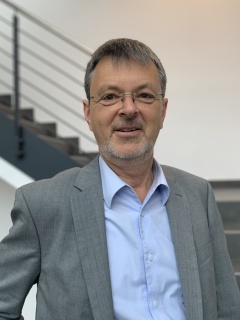
Dr. Bernd Kleimt
+49 211 98492-385
bernd.kleimt_at_bfi.de