


HydroPic - Analysis and control of hydrogen content during steelmaking
Initial situation:
- Hydrogen dissolved in steel can be interstitially embedded in the microstructure, which leads to tensile and fatigue strength reduction and therefore to component malfunctions.
- The demands on lowest hydrogen contents in the final steel product are more and more increasing, especially for high strength steels.
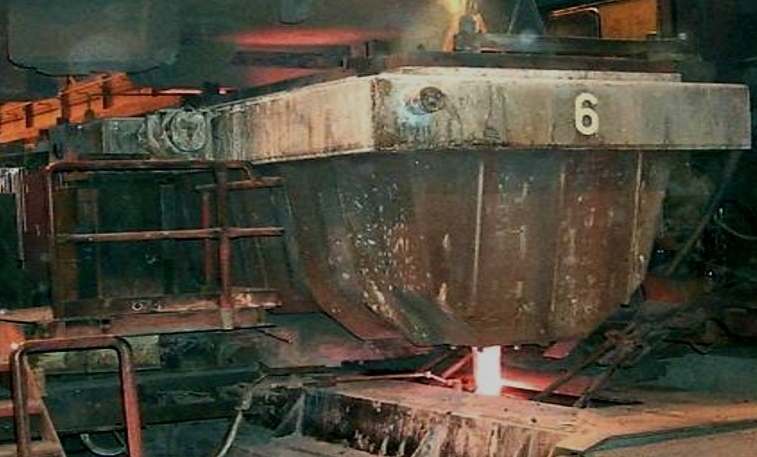
- A targeted control of hydrogen content in liquid steelmaking is difficult, as the level of hydrogen pick-up after vacuum treatment can be predicted only with high uncertainty, and only spot H measurements are available.
Project targets:
- Detailed investigations on hydrogen pick-up and removal during ladle treatment and continuous casting.
- Dedicated measurement campaigns based on novel continuous measurement technologies.
- Development of process models for monitoring and prediction of H pick-up and removal.
- Set-up of a model-based advisory system for in situ measurement and control strategies, to derive optimal operational practices.
Innovative approaches:
- Through process modelling of hydrogen content evolution during secondary metallurgy treatment and continuous casting
- Development of new tundish lining materials with low hydrogen pickup
- Set up of a decision support system to provide practical measures to reduce the hydrogen pickup
Benefits for the industry:
- Improved steel quality with reliable achievement of lowest hydrogen contents in the final product, especially for innovative high strength steel grades.
- Reduced energy and resource consumption due to the avoidance of vacuum treatment times longer than necessary.
- Less effort and energy consumption in post treatment process steps like annealing thermal treatment, due to a reliable adjustment of a lower hydrogen content in steel slabs, billets, blooms and ingots.
- Increased productivity in steel production
Funded by the European Union. Views and opinions expressed are however those of the author(s) only and do not necessarily reflect those of the European Union. Neither the European Union nor the granting authority can be held responsible for them.

partners

Funding reference
RFCS No 847256
Your contact person
Dr. Bernd Kleimt
+49 211 98492-385
bernd.kleimt_at_bfi.de