


Infire – Strategy to increase the hot strip rolling performance in terms of surface quality, final properties and reproducibility
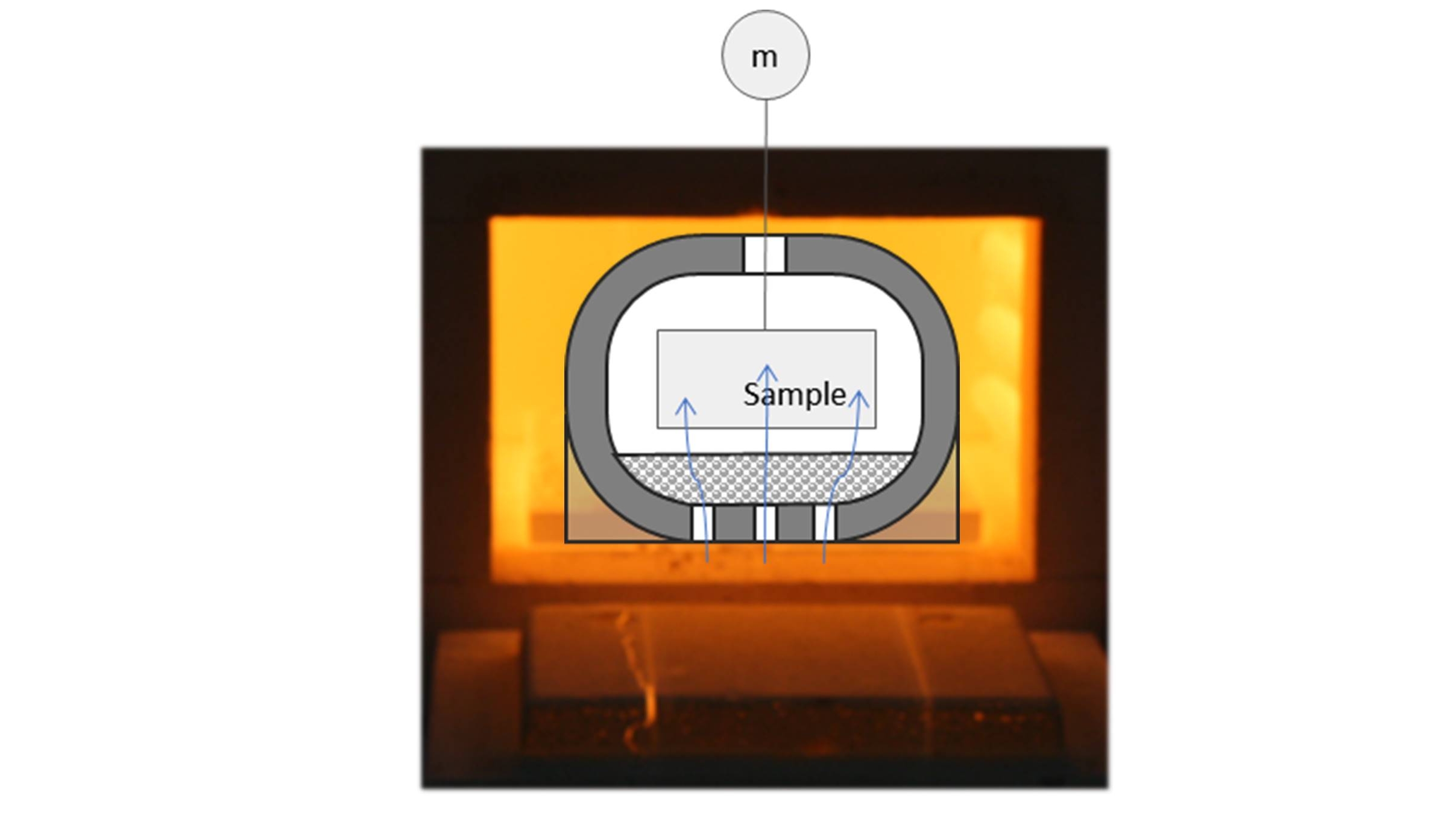
Situation:
- Achieving high surface quality of hot rolled high strength steel strip and reproducible rolling results remains challenging:
- Primary scale residues and scale formed during rolling lead to surface impairments.
- Influences and interrelations of process conditions on product quality are poorly known.
- As steel grades with higher strength are demanded, hot rolling conditions change.
Solution:
- Adopting primary scale residues and finished strip monitoring systems for prognosis of scale defects.
- Investigation on sensitivity of the rolling result on process parameter.
- Novel methods to control scale growth and fracture behaviour with the optimisation of rolling parameters as well as rolling actuators and application of oxide modifiers.
- Create a model to predict scale behaviour.
Operational benefit:
- Minimisation of effects of scale on the final surface texture and strip mechanical properties.
- Improvement of the surface quality of critical high alloyed steel grades by understanding and conditioning scale formation during rolling and cooling.
- Definition of the optimum rolling and cooling conditions for industrial application towards a significant improvement of the quality of the final product for high value added steels.
- Enabling existing plants to handle new kind of high strength steel grades in a more efficient and reproducible way.
This project is funded by the European Union. Views and opinions expressed are however those of the author(s) only and do not necessarily reflect those of the European Union. Neither the European Union nor the granting authority can be held responsible for them.


partners







Funding reference
RFCS
Your contact person

Martin Wunde, M.Sc.
+49 211 98492-316
martin.wunde_at_bfi.de