Here you will find an overview of all our projects:

to project overview

CO2 reduction and energy efficiency

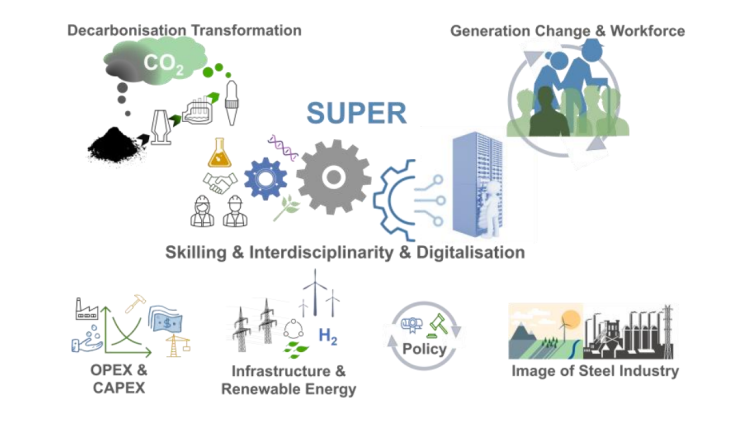
SUPER - Sus­tain­able fu­ture steel pro­duc­tion and people re­cruit­ing and skilling

The European steel in­dustry is fa­cing a dual trans­form­a­tion: the de­car­bon­isa­tion of pro­duc­tion pro­cesses and demo­graph­ic change with­in the work­force. Com­pre­hens­ive tech­no­lo­gic­al ad­just­ments are ne­ces­sary to achieve European cli­mate tar­gets, in­clud­ing new pro­cesses, plant con­cepts and al­tern­at­ive en­ergy sources.

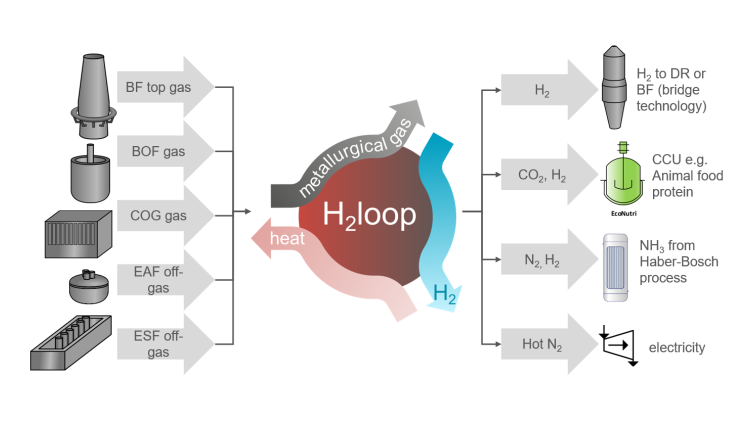
H2loop - Sus­tain­able de­car­bon­isa­tion of in­teg­rated steel plants by hy­dro­gen pro­duc­tion from chem­ic­al loop­ing

The European steel in­dustry faces the chal­lenge of re­du­cing its CO₂ emis­sions by 55% by 2030 and be­com­ing cli­mate neut­ral by 2050 without los­ing its com­pet­it­ive­ness. All major European steel pro­du­cers have pub­lished trans­form­a­tion roadmaps to meet the tar­gets of the EU cli­mate plan.

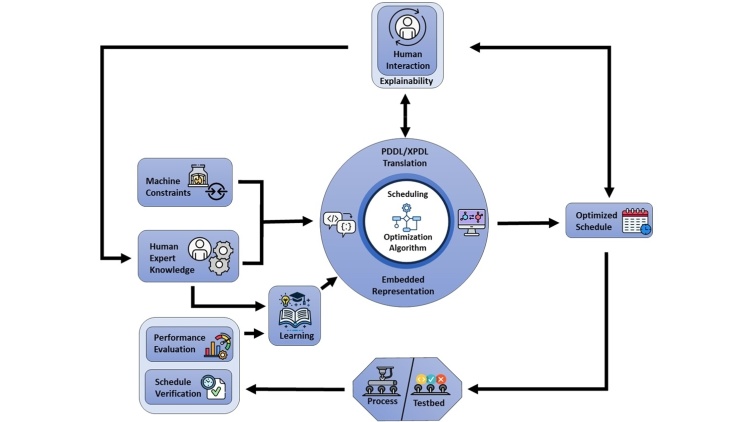
Deep­Schedul­ing - Ex­plain­able AI and Human-Cent­ric Learn­ing Solu­tion Frame­work for In­dus­tri­al Schedul­ing Op­tim­iz­a­tion

Stain­less-steel products for avi­ation and aerospace re­quire ex­tremely pre­cise pro­cess con­trol dur­ing an­neal­ing, harden­ing, tem­per­ing, and quench­ing. Very nar­row tem­per­at­ure win­dows of only a few kelvins must be main­tained. Heat­ing and cool­ing times of the ovens cause pro­duc­tion stops, lead­ing to low through­put and high en­ergy costs.

Digitisation and process measurement technology
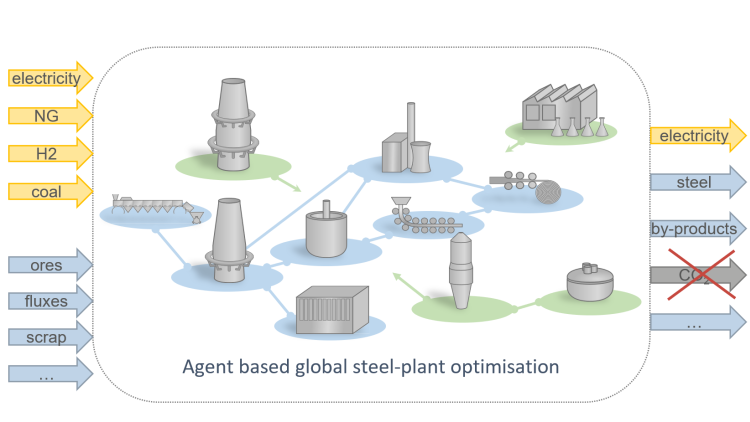
AgiFlex - Agent-based mod­els min­im­iz­ing car­bon usage in flex­ible and ef­fi­cient fu­ture in­teg­rated steel­works

Com­pre­hens­ive changes in the steel in­dustry's pro­duc­tion chains are ne­ces­sary to re­duce CO2 emis­sions. Against this back­ground, pro­cess in­teg­ra­tion must be re-op­tim­ized, es­pe­cially with re­gard to gas and en­ergy flows. Ex­ist­ing tools of cur­rent in­form­a­tion and com­mu­nic­a­tion tech­no­lo­gies are not suit­able for these new tasks due to a lack of flex­ib­il­ity and op­tim­iz­a­tion cap­ab­il­ity.

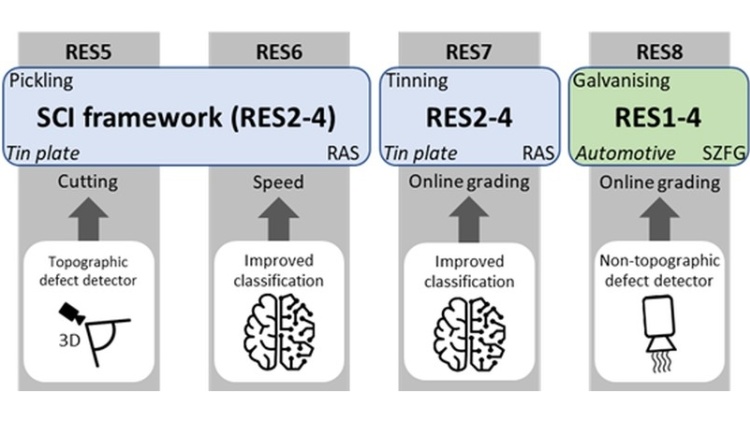
SufCon­In­spect - En­abling zero-de­fect man­u­fac­tur­ing for flat steel pro­duc­tion by means of op­tim­ized in­spec­tion res­ults and a new level of on­line sur­face qual­ity con­trol

Re­source-ef­fi­ciency and com­pet­it­ive­ness are main aims of the European Green Deal trans­form­a­tion. In this glob­al re­struc­tur­ing pro­cess yield im­prove­ment and re­duc­tion of waste aimed at by a zero-de­fect pro­duc­tion are low-cost op­por­tun­it­ies for European steel man­u­fac­tur­ers to real­ize a more sus­tain­able pro­duc­tion.

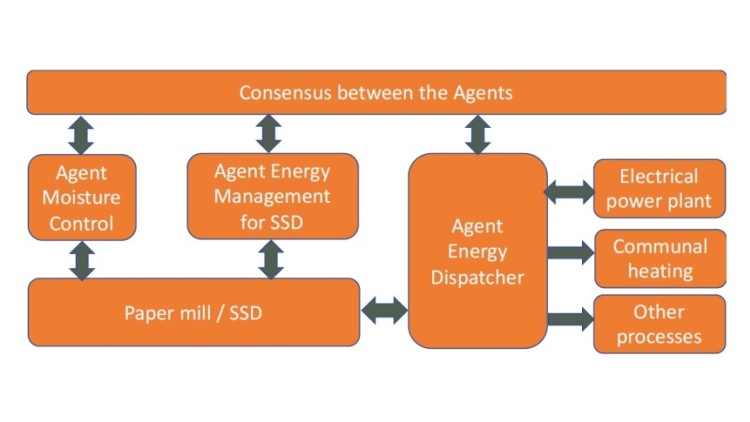
Steam­Dry - Su­per­heated steam dry­ing for sus­tain­able and re­cyc­lable web-like ma­ter­i­als

The Steam­Dry pro­ject aims to sig­ni­fic­antly de­crease en­ergy con­sump­tion and CO2 emis­sions in the paper and board man­u­fac­tur­ing in­dustry by show­cas­ing a concept that achieves a re­mark­able 60% en­ergy sav­ings in thermal dry­ing and 40% en­ergy sav­ings on a pro­duc­tion line, with the po­ten­tial for up to 100% CO2 emis­sion re­duc­tion.

Circular economy

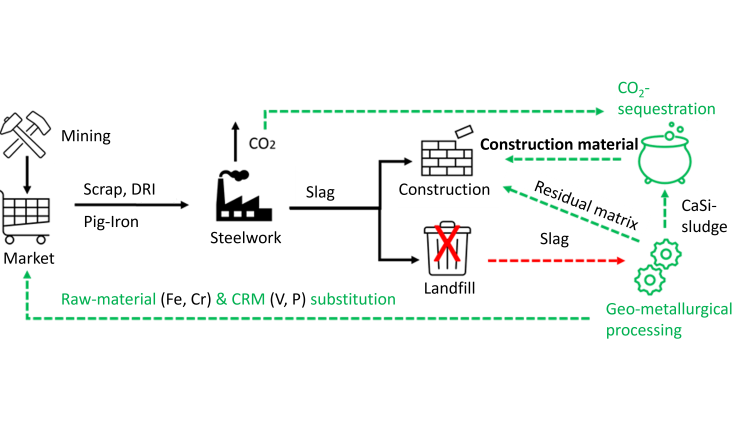
Geo­CRM - Geo­me­tal­lur­gic­al pro­cessing of steel­mak­ing slag for re­cyc­ling crit­ic­al raw ma­ter­i­als and CO2 bind­ing

With an an­nu­al crude steel pro­duc­tion of 37 Mt/a (2022), which cor­res­ponds to ap­prox­im­ately 27% of European pro­duc­tion, Ger­man steel man­u­fac­tur­ing is an es­sen­tial eco­nom­ic and ma­ter­i­al sec­tor. Crit­ic­al raw ma­ter­i­als (CRM), such as va­na­dium and phos­phor­us, are con­tained both in the raw ma­ter­i­als used (e.g. ores) and in slag, the largest by-product in terms of quant­ity.

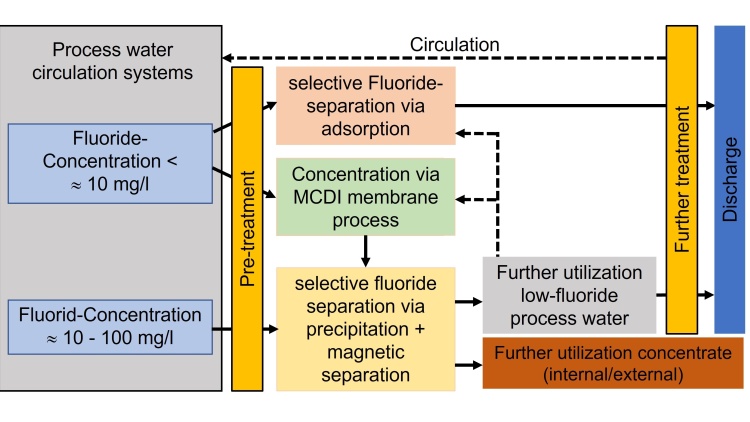
Flu­or­idSelekt­iv - Pro­cess de­vel­op­ment for se­lect­ive flu­or­ide sep­ar­a­tion from in­dus­tri­al pro­cess water

Pro­cess water from pig iron and steel pro­duc­tion has flu­or­ide con­tents of up to 100 mg/L. A se­lect­ive sep­ar­a­tion of the flu­or­ide is ne­ces­sary and use­ful for de­riv­a­tion or cir­cu­la­tion. If flu­or­ide re­mains in the con­cen­trate dur­ing pro­cess water de­sal­in­a­tion, it is often not us­able and can­not be dis­posed of. The meth­ods of se­lect­ive ad­sorp­tion and se­lect­ive pre­cip­it­a­tion are suit­able for ef­fect­ive flu­or­ide sep­ar­a­tion.

ZinkAt­line - De­vel­op­ment of an at­line meas­ur­ing meth­od for rapid ana­lys­is of the total zinc con­tent in pro­cess water

The pro­cess water oc­cur­ring in steel pro­duc­tion and sur­face treat­ment (gal­van­ising) can be con­tam­in­ated with el­ev­ated zinc levels. There are also dis­cus­sions about sig­ni­fic­antly lower­ing the cur­rent dis­charge lim­its for sur­face treat­ment from 2 mg/L to 1 mg/L to 0.1 mg/L, which re­quires im­me­di­ate ac­tion in pro­cess man­age­ment and wastewa­ter treat­ment.

Process optimisation

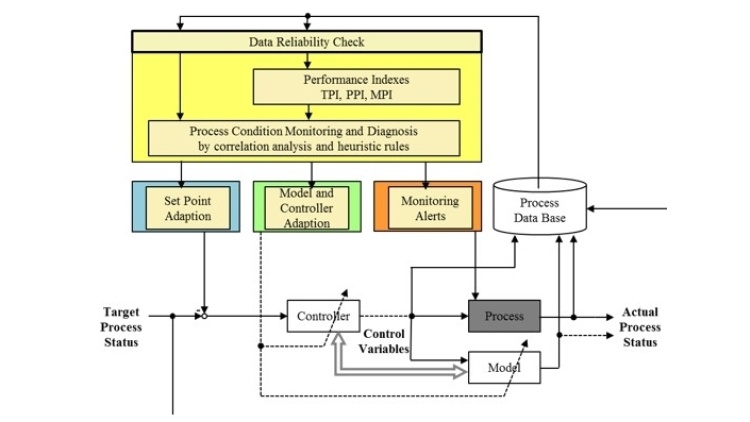
Per­Mon­LiSt - Con­tinu­ous per­form­ance mon­it­or­ing and cal­ib­ra­tion of model and con­trol func­tions for li­quid steel­mak­ing pro­cesses

Ana­lyt­ic­al pro­cess mod­els are used as part of Level-2 auto­ma­tion for ob­ser­va­tion and con­trol of steel­mak­ing pro­cesses. Due to changes in the op­er­a­tion prac­tices, the input ma­ter­i­als or the pro­duced qual­it­ies, the pre­dic­tion ac­cur­acy of the mod­els and the re­li­ab­il­ity of set-point cal­cu­la­tions is de­teri­or­ated. For con­tinu­ous mon­it­or­ing of pro­cess per­form­ance, as well as model ac­cur­acy and ad­apt­a­tion of model and ma­ter­i­al para­met­ers, ap­pro­pri­ate ana­lys­is tools are miss­ing. Thus, the re­li­ab­il­ity of pro­cess mod­els with­in a Level-2 auto­ma­tion sys­tem is not per­man­ently en­sured.

Hy­droP­ic - Ana­lys­is and con­trol of hy­dro­gen con­tent dur­ing steel­mak­ing

Hy­dro­gen dis­solved in steel can be in­ter­sti­tially em­bed­ded in the mi­cro­struc­ture, which leads to tensile and fa­tigue strength re­duc­tion and there­fore to com­pon­ent mal­func­tions. The de­mands on low­est hy­dro­gen con­tents in the final steel product are more and more in­creas­ing, es­pe­cially for high strength steels. A tar­geted con­trol of hy­dro­gen con­tent in li­quid steel­mak­ing is dif­fi­cult, as the level of hy­dro­gen pick-up after va­cu­um treat­ment can be pre­dicted only with high un­cer­tainty, and only spot H meas­ure­ments are avail­able.

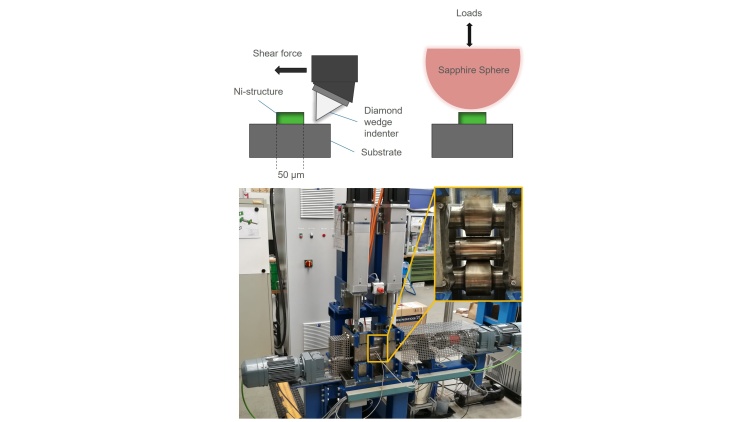
Tri­boSim - Ex­per­i­ment­al and sim­u­lat­ive eval­u­ation of wear on roll coat­ings

Be­cause of in­creased wear on work rolls due to in­creased use of ultra-high-strength steels in auto­mot­ive pro­duc­tion and the use of toxic and car­ci­no­gen­ic chromic acid for wear-re­du­cing hard chrome plat­ing of rolls, costly plant tri­als are re­quired for the de­vel­op­ment of new roll coat­ings